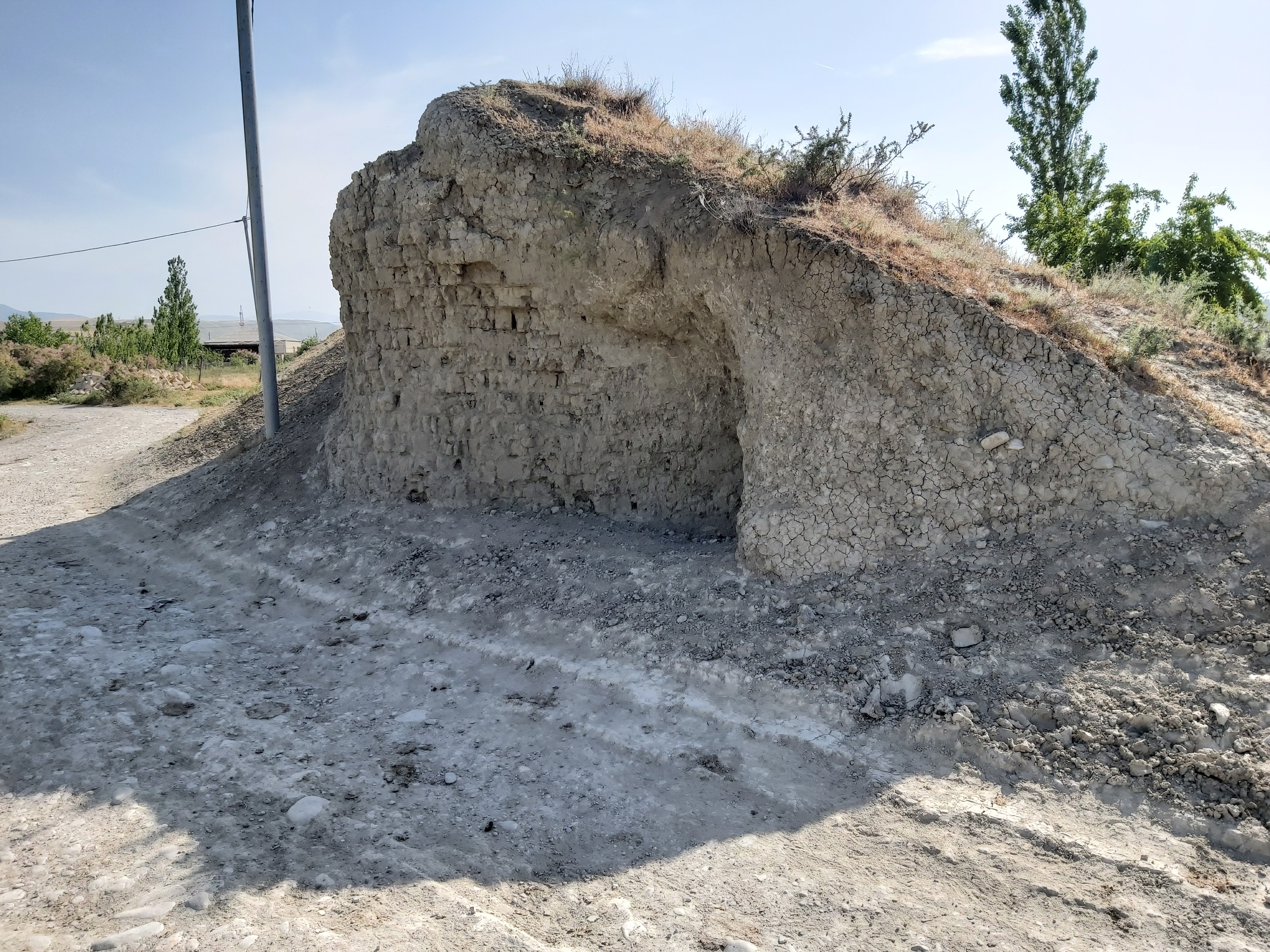
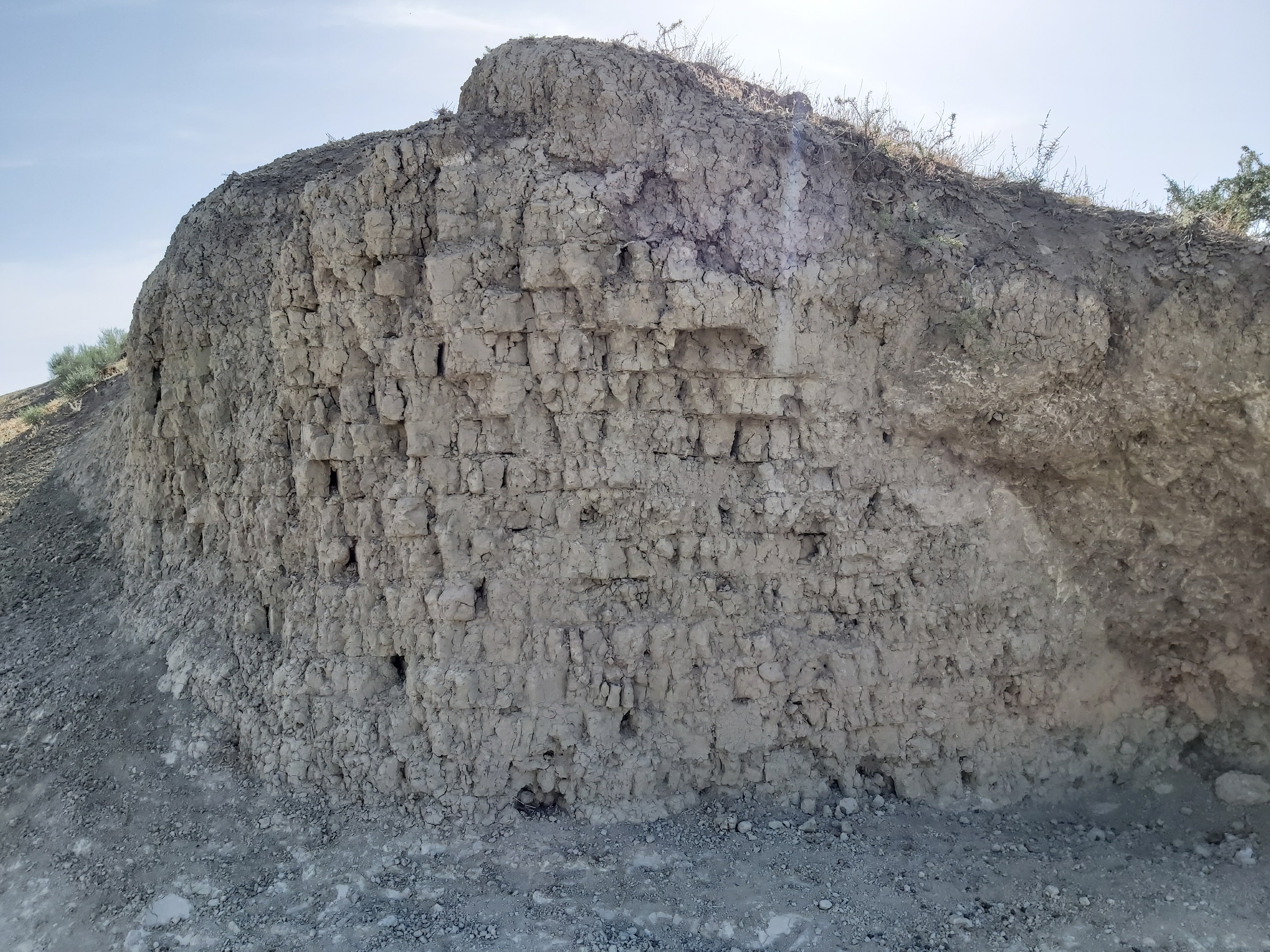
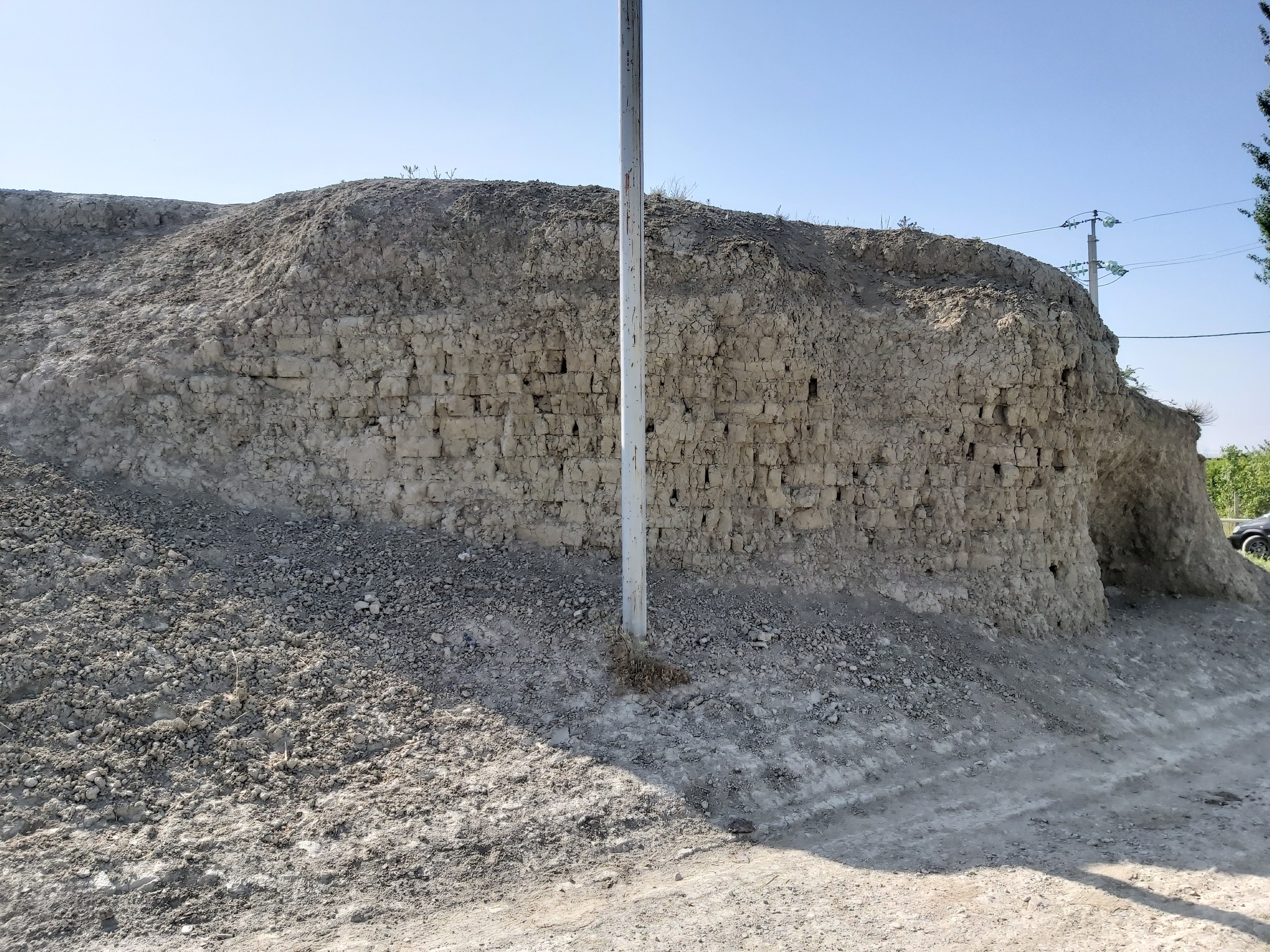
Name of the monument: | Gilgilchay Fortress Complex |
Address of the monument: | AZ1700, Shabran and Siyazan districts |
Significance of the monument: | An archeological monument of world importance |
Inventory: | 65 (Decision of the Cabinet of Ministers of the Republic of Azerbaijan No. 132 dated 02.08.2001) |
Cartographic presentation: | X-coordinate: 41.147903 Y-coordinate: 49.064851
|
History of the monument: | Century: The middle ages Year of construction: Exactly unknown
|
Use of the monument: | Used as an object of demonstration |
Historical information about the monument: As the Sassanid Empire occupied Caucasian Albania, they built five defenses to secure its northern borders, as well as to protect it from attacks by northern peoples. Historical sources state that the construction of defensive walls in the Sassanid Empire began in the second half of the 4th century. In particular, based on the conquest of the South Caucasus by the Sassanid king Yazdagir II (437-457), it can be said that the Beshbarmag and Gilgilchay dams were built during the reign of Yazdagir II.
The Gilgilchay Dam is considered to be the most important of the so-called "Long Walls" fortifications built at the Derbent Pass. The Gilgilchay Dam differs from other similar buildings in terms of construction complexity and style. Starting from the western part of the Caspian Sea, the dam passing through the villages of Kolani, Gilgilchay, Yenikend, Eynibulag, Chalgan, Galaalti, Charakh, Hajiiskander, Tekiya, Ugah, Chinarlar, Nohurlar and others in Siyazan and Shabran regions and continues to Baba Mountain.
This building is sometimes compared to the famous Chinese wall. While the Chinese wall is 10 meters high and 5-6 meters wide, the Gilgilchay dam is 15 meters high in some places and more than 7 meters wide.
During the construction of the wall, its plan structure was adapted to the terrain, and natural barriers were used to the maximum for defense purposes. In four places in the area covered by the wall there is a large fortress, castle, defense point, as well as ancient settlements in five places. It was determined that the minimum distance between the towers in the plain is 29.5 m, the maximum distance is 60 m, and the average size is 40 m based on a single pattern.
M. Kalankaytuklu in his book "History of Albania" notes that the local population revolted against Yezdagir II, the confrontation took place in the fortress and the Sassanids seized and destroyed the fortress by force. The fortress indicated by M. Kalankaytuklu is undoubtedly the Beshbarmag fortress and its parallel wall.
In connection with these defensive structures, A. Bakikhanov writes in "Gulustani-Iram": “The Babi-Alan wall was built by Isfandiyar. Nushiravan restored it. The fence of that wall, the location of the gate and the ruins of the city still exist on a hill on the bank of the Gilgilchay in the Shabran district of Guba”. However, the idea of restoring the wall by Nushiravan is controversial. According to sources, this wall was rebuilt in the ninth century.