Name of the monument: | Haji Soltan Ali Mosque |
Address of the monument: | Baku city, Yasamal district, S. Asgarova Street 75 |
Significance of the monument: | An architectural monument of national importance |
Inventory: | 174 (registered by the Decision of the Cabinet of Ministers of the Republic of Azerbaijan No. 132 dated 02.08.2001) |
Cartographic presentation: | X-coordinate: 40.378711 Y-coordinate: 49.829450
|
Date of construction of the monument: | Century: XX century Construction year: 1910
|
Use of the monument: | Used for its intended purpose |
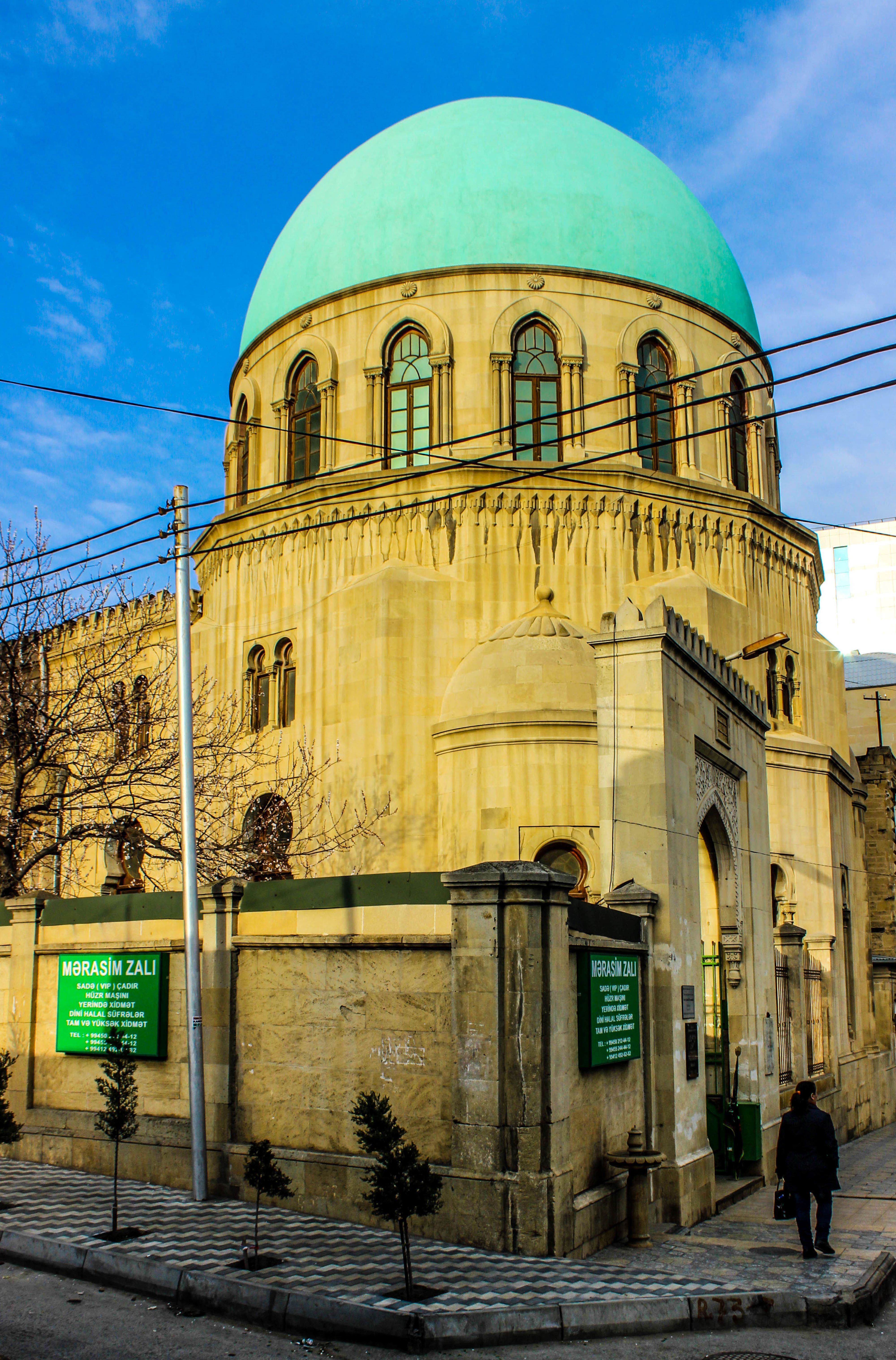
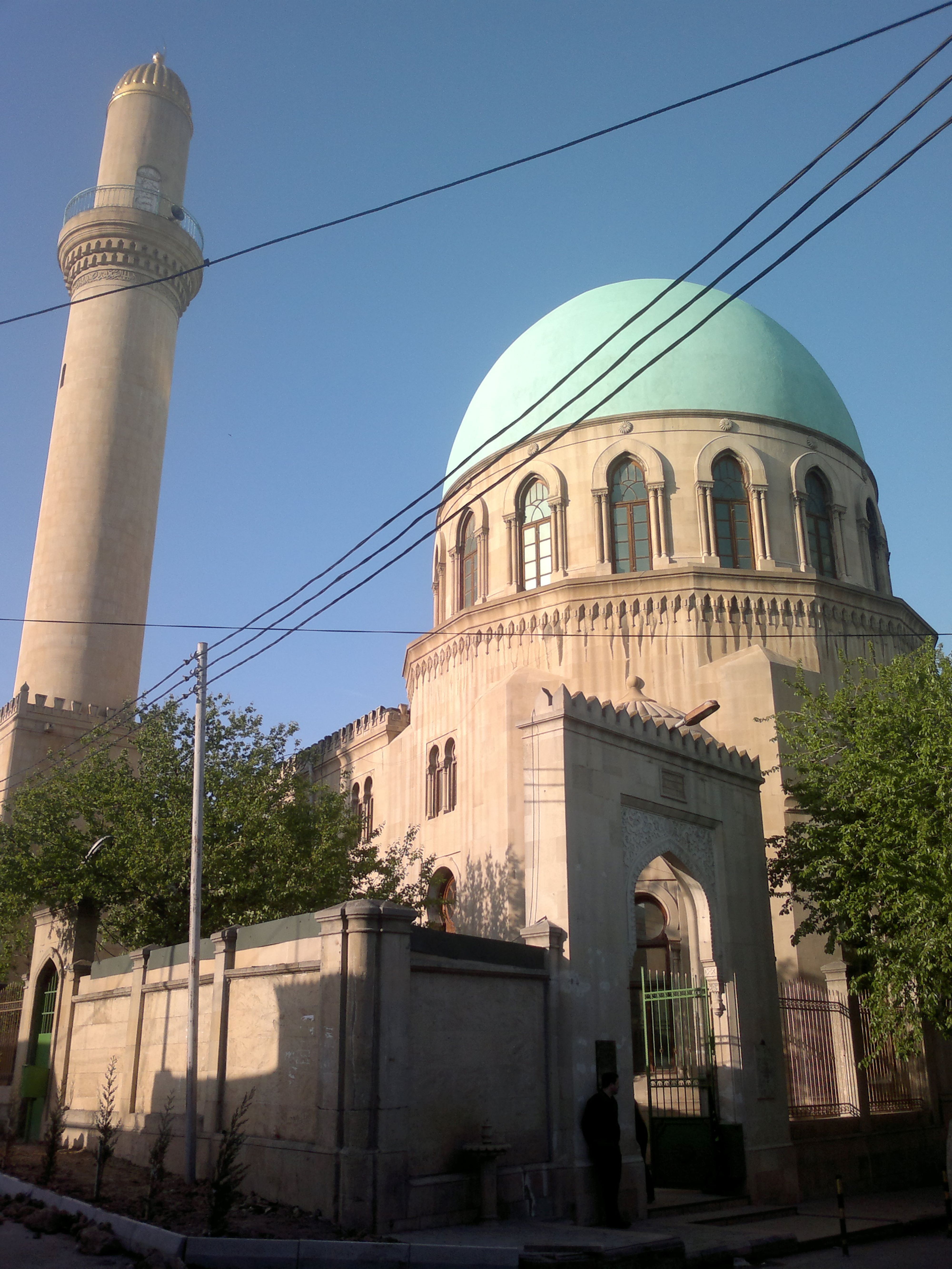
Historical information about the monument: One of the places of religious worship in Baku, which is more than a century old, is the Haji Sultan Ali Mosque in the Yasamal district, near the Nizami metro station.
The monument was built in 1910 at the expense of Haji Sultan Ali, one of the richest and philanthropists of that time. Unfortunately, almost no written information about the mosque has been received so far.
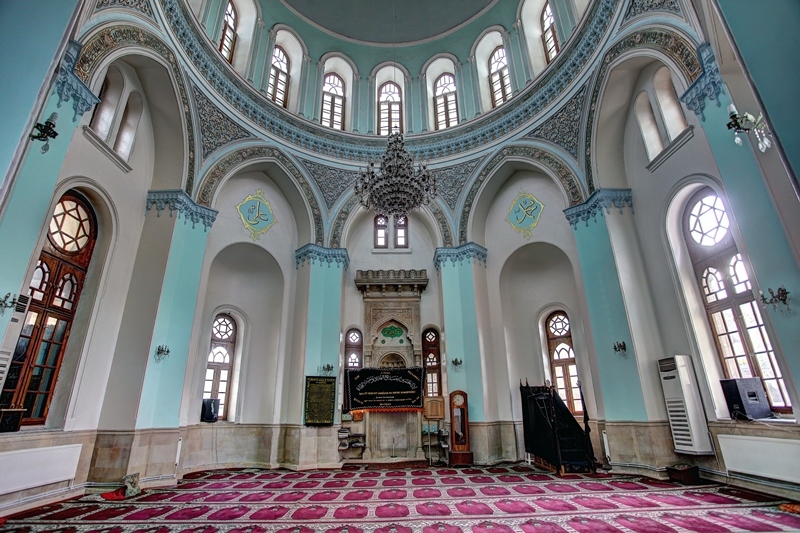
The mosque has been suspended.during the Soviet era. The building has been used by the Special Scientific Production Workshop for some time. On the first floor of the mosque there was a production workshop, and on the second floor there was a Scientific Design Bureau. During the Soviet era, the mosque was also used by “Azkonsert”. However, the appearance and interior of the mosque were not harmed during use. After Azerbaijan regained its independence, the mosque was restored and reopened for worship.
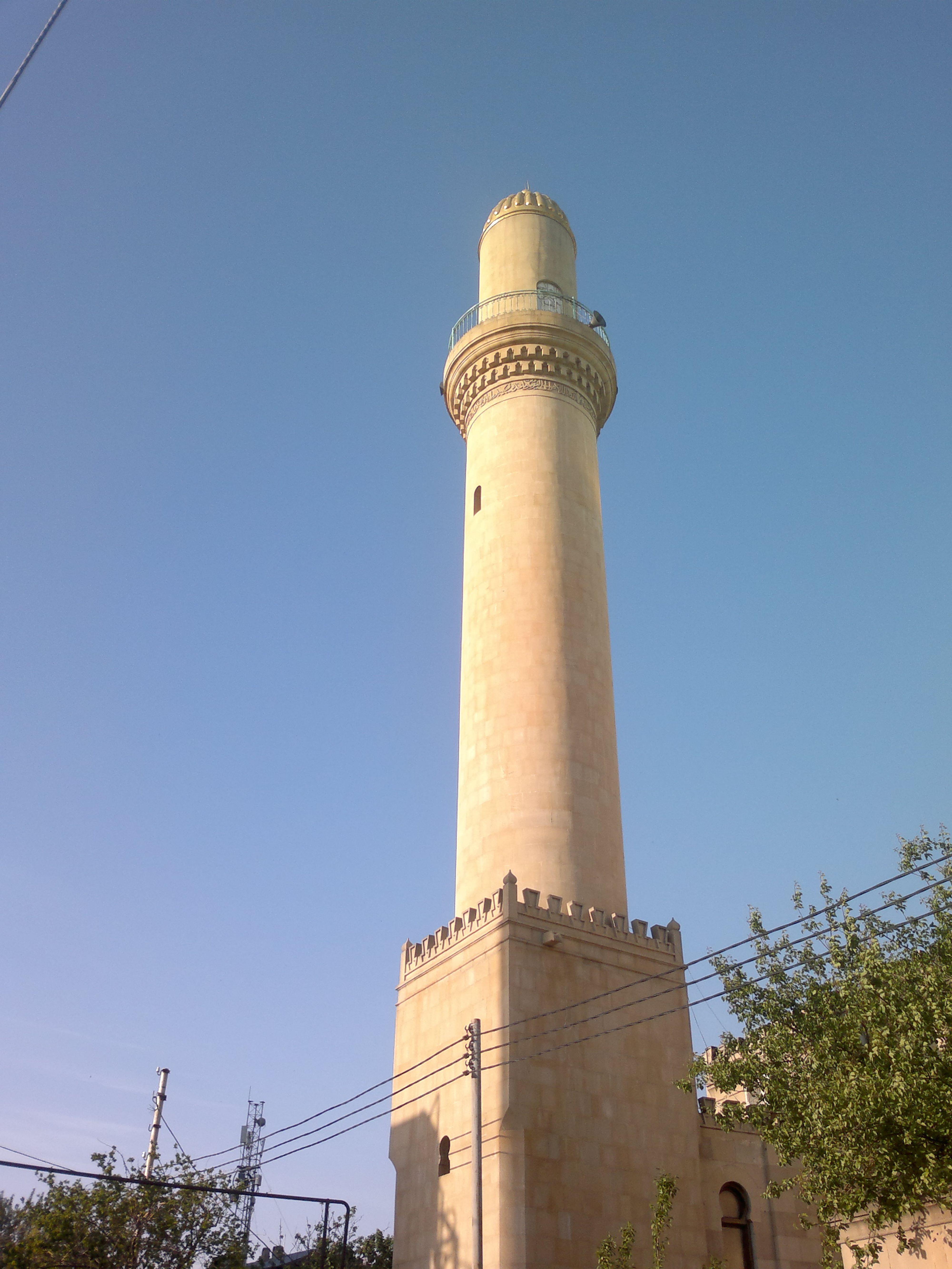
According to the akhund of the Haji Sultan Ali Mosque, an interesting moment was encountered during the construction of the minaret, which was built after the Soviet era. Thus, during the reconstruction of the minaret, the grave of a Turkish soldier named Ahmed was found in the lower part of the minaret. Presumably, the soldier was killed in 1918 in the fight against the Armenian Dashnaks in the area called "Karamelni". As a sign of respect for the soul of the deceased, he was buried in the courtyard of the mosque. During the construction work, the remains of the deceased were collected and reburied at the bottom of the minaret and a memorial plaque was erected.
The author and builder of the mosque are unknown. However, in the book "Urban planning and architecture of Azerbaijan in the early XIX-XX centuries" the verticality of the composition of the mosque, the architectural solution suggests that the building was designed by the famous architect-engineer Joseph Plosko.
During the restoration work, the partitions of the rooms built later on the first floor of the building were demolished, the surface of the pilasters, cornices, altar and others were cleaned, and the installed mezzanine floor was removed. The brick floor, doors and windows of the mosque were cleaned from fillers and paint and restored.
The staircase leading to the second floor was built in accordance with the interior, additional wooden buildings were demolished and the floor was covered with limestone. The walls, which were later installed on the second floor, were demolished and replaced with gypsum or gypsum concrete partitions. The northern facade of the building is covered with limestone and iron bars with hooks