Name of the monument: | Imamzadeh complex |
Address of the monument: | AZ2000, Ganja city, Old Ganja, Imamzade cemetery |
Significance of the monument: | An architectural monument of national importance |
Inventory: | 193 (Decision of the Cabinet of Ministers of the Republic of Azerbaijan No. 132 dated 02.08.2001) |
Cartographic presentation: | X-coordinate: 40.714677 Y-coordinate: 46.424799 |
Date of construction of the monument: | Century: XVII-XIX centuries Year of construction: Unknown |
Use of the monument: | It is used as a place of pilgrimage and demonstration |
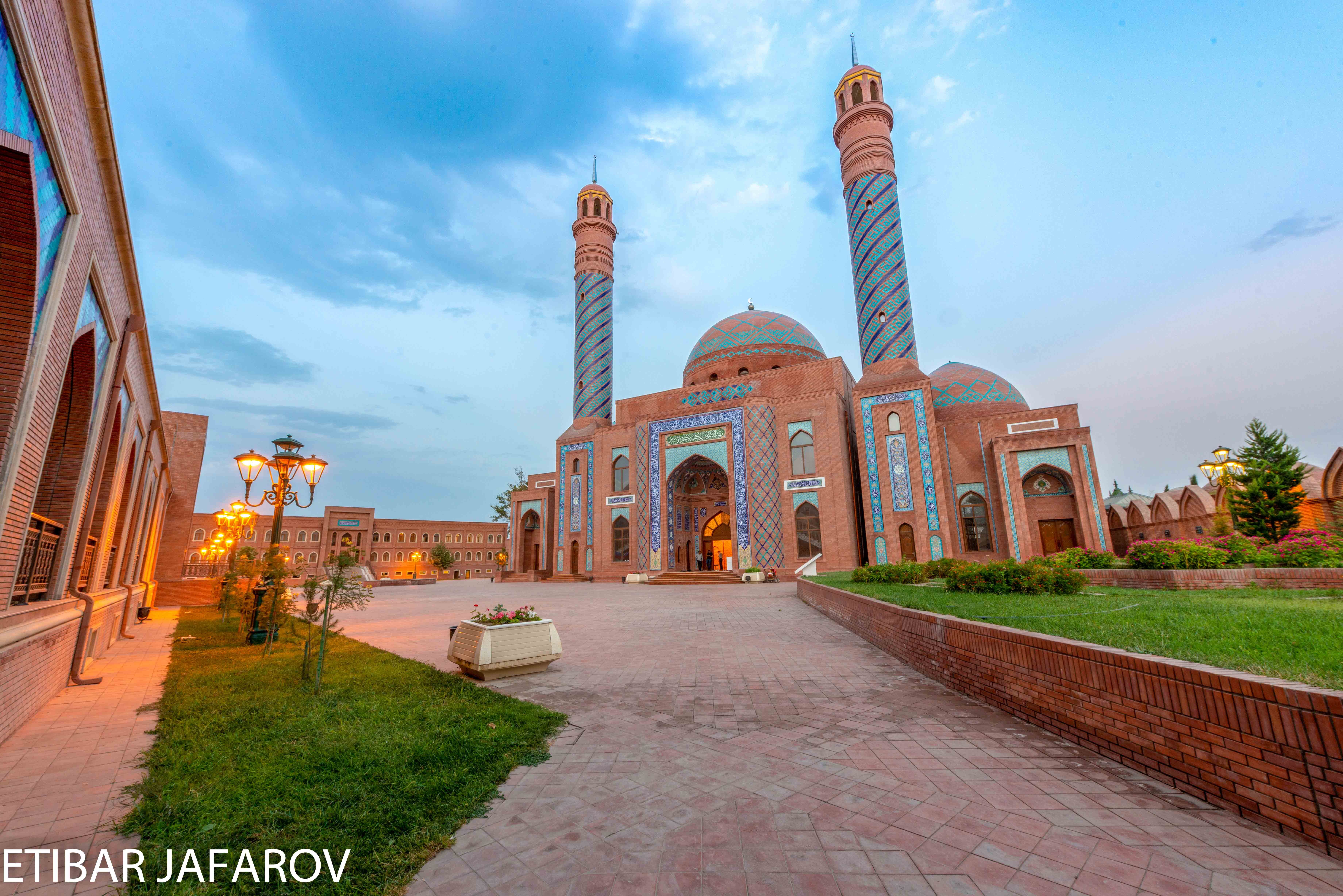
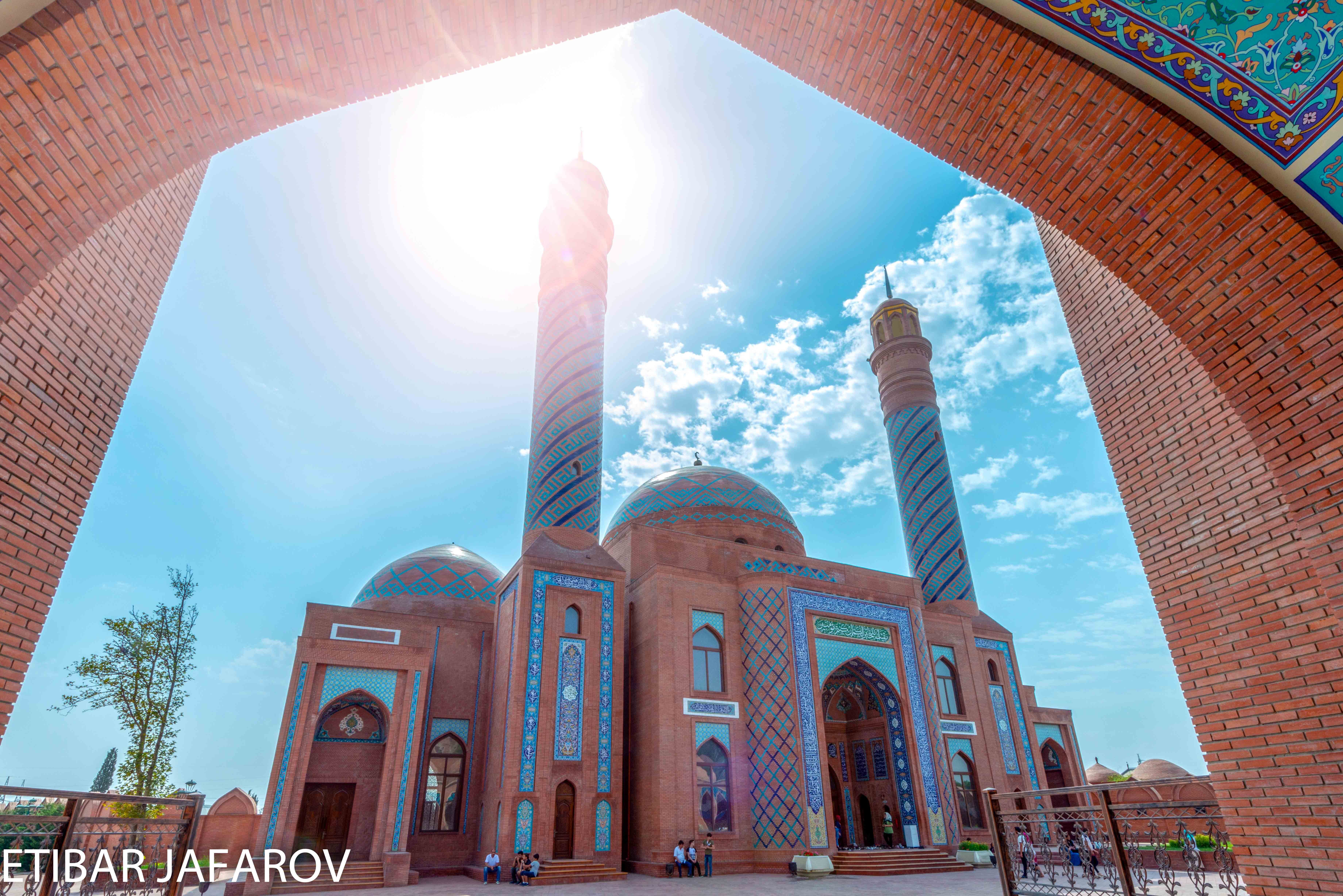
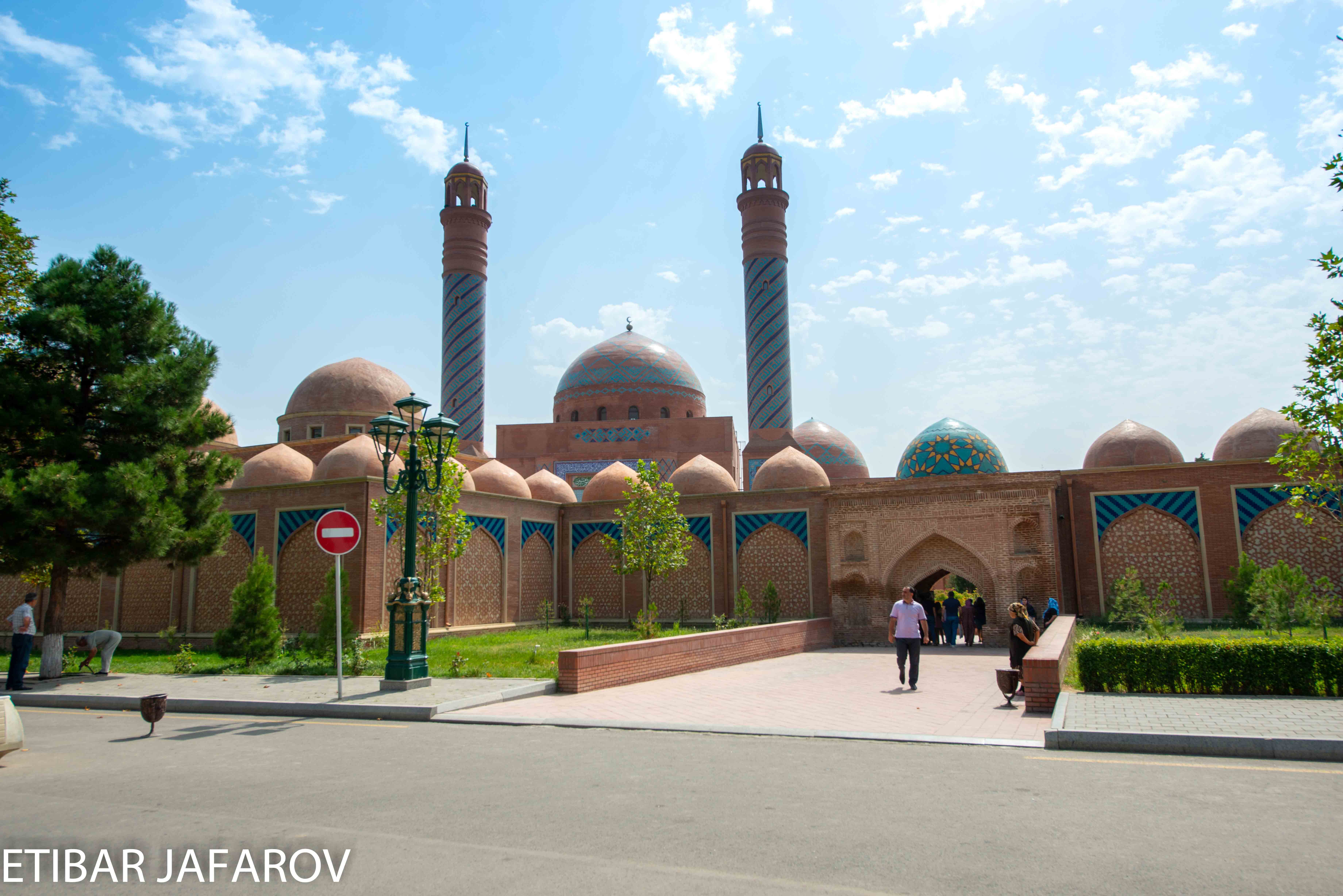
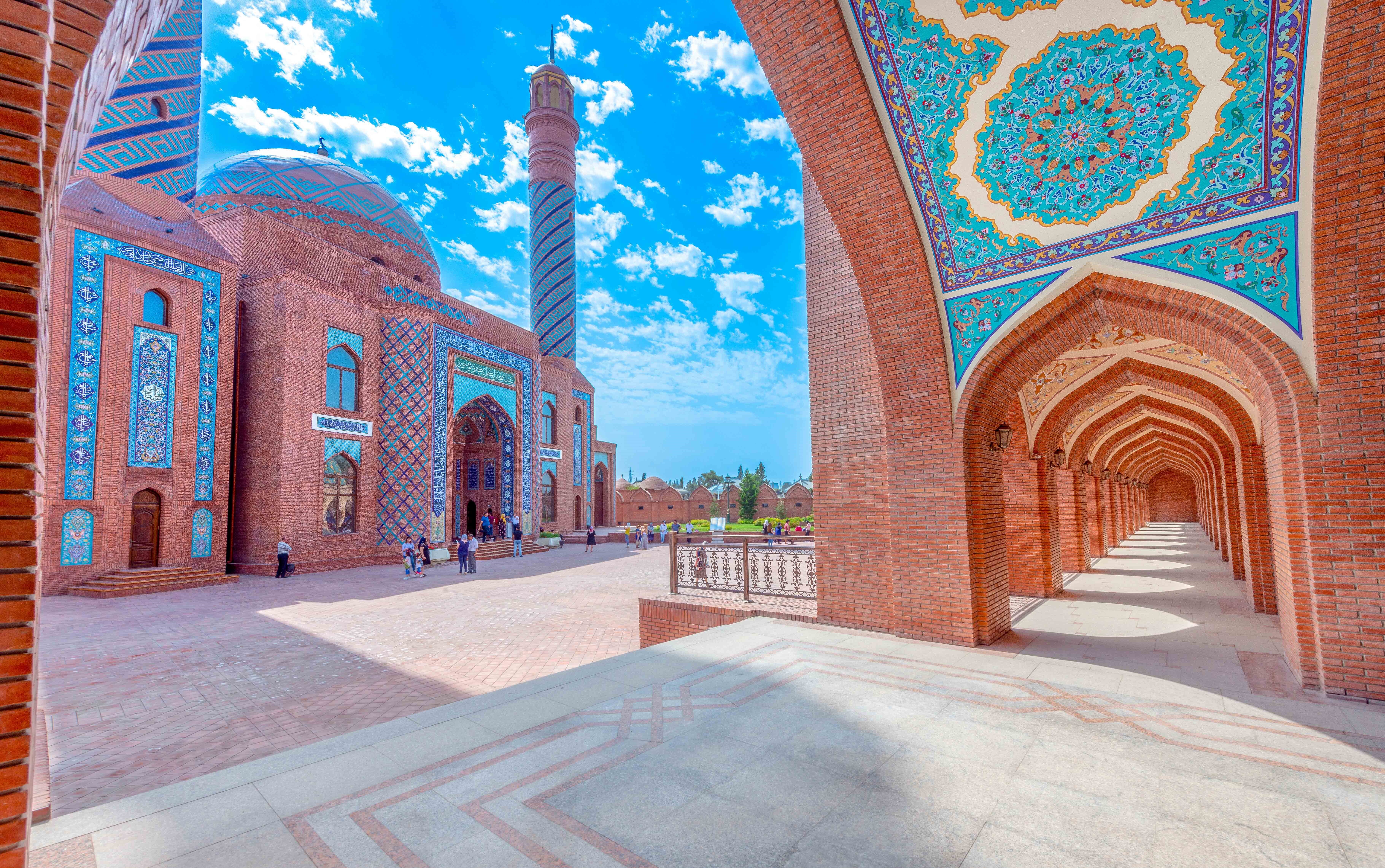
Historical information about the monument: The religious-architectural complex, known as Imamzadeh or Goy Imam, is located on the right bank of the Ganjachay River. The monument has become an architectural complex due to the construction of various buildings around it at different times. Among the buildings connected to the complex, the most architecturally valuable are the tomb of Imamzadeh Ibrahim and the gate of yard. Although Ibrahim died in the VIII century, researchers attribute the architectural structure of the tomb to the XVII-XVIII centuries - the Safavid period. The tiled dome and drum of the tomb were added by Yadigarzadeh in the 19th century.
Imamzade's tomb occupies special importance in the study of the architecture of Azerbaijan in the XVI-XIX centuries. There is a synthesis from the connection between the Tabriz and Aran schools of architecture. It is clear from the inscription inside the tomb that the tomb there belongs to Ibrahim, the son of the fifth Imam Muhammad Baghir, who died in 120 AH (738 AD).
Another popular name for the tomb is "Goy Imam". This is due to the turquoise color of the dome, which was renovated in the XIX century. Experts attribute the monument to the class of towering tombs. It is noted that first a rectangular building was built, then a gallery was created by adding a wall on three sides. The tectonic structure of the tomb uses a hexagonal dome construction, which is very rare in Azerbaijan. The space between the inner and outer domes is identified with the tombs of Central Asia in the fourteenth and fifteenth centuries and is believed to have been built at that time.
Sources also say that the construction of the monument dates back to the late twelfth and early thirteenth centuries. The cells were reconstructed in the XIII-XIV centuries. The construction of new buildings, including the main tomb, in the territory of Ganja Imamzadeh was carried out as a result of the reconstruction of the old monument in the XIV-XV centuries. In the late 19th and early 20th centuries, not only the purpose of the tomb, but even its original composition was changed, construction work was carried out around the monument, and the shrine was partially turned into a mosque.
During the subsequent renovation of the interior of the tomb, the wall layers were studied and it was proved that the monument was built in the VIII century. The shrine, which has been destroyed at various times, has functioned as the Imamzadeh shrine since 1946. In the 1970s, the management of the shrine was transferred to the Transcaucasia Muslim Spiritual Administration.
According to the decree signed by President Ilham Aliyev on March 1, 2010, at the complex was carried out repair and restoration work and opened in 2016.