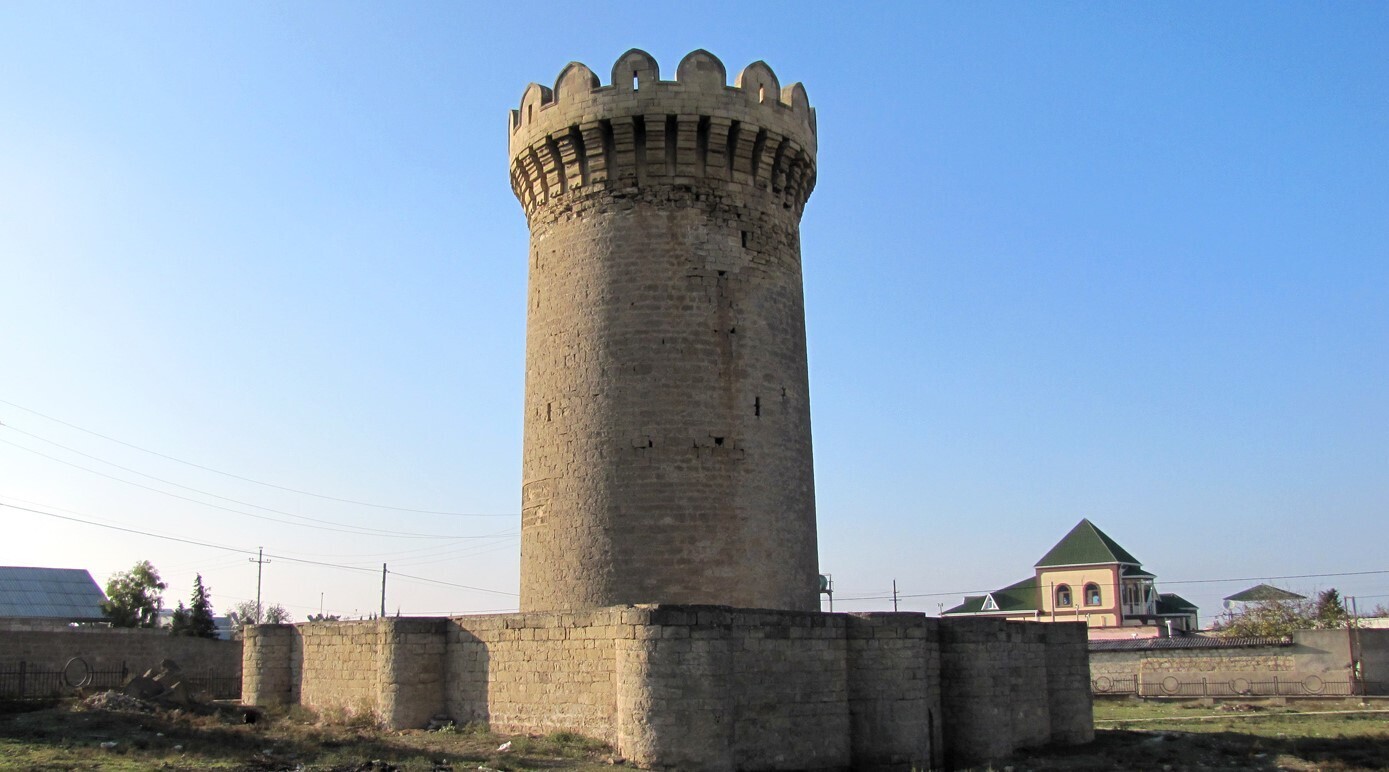
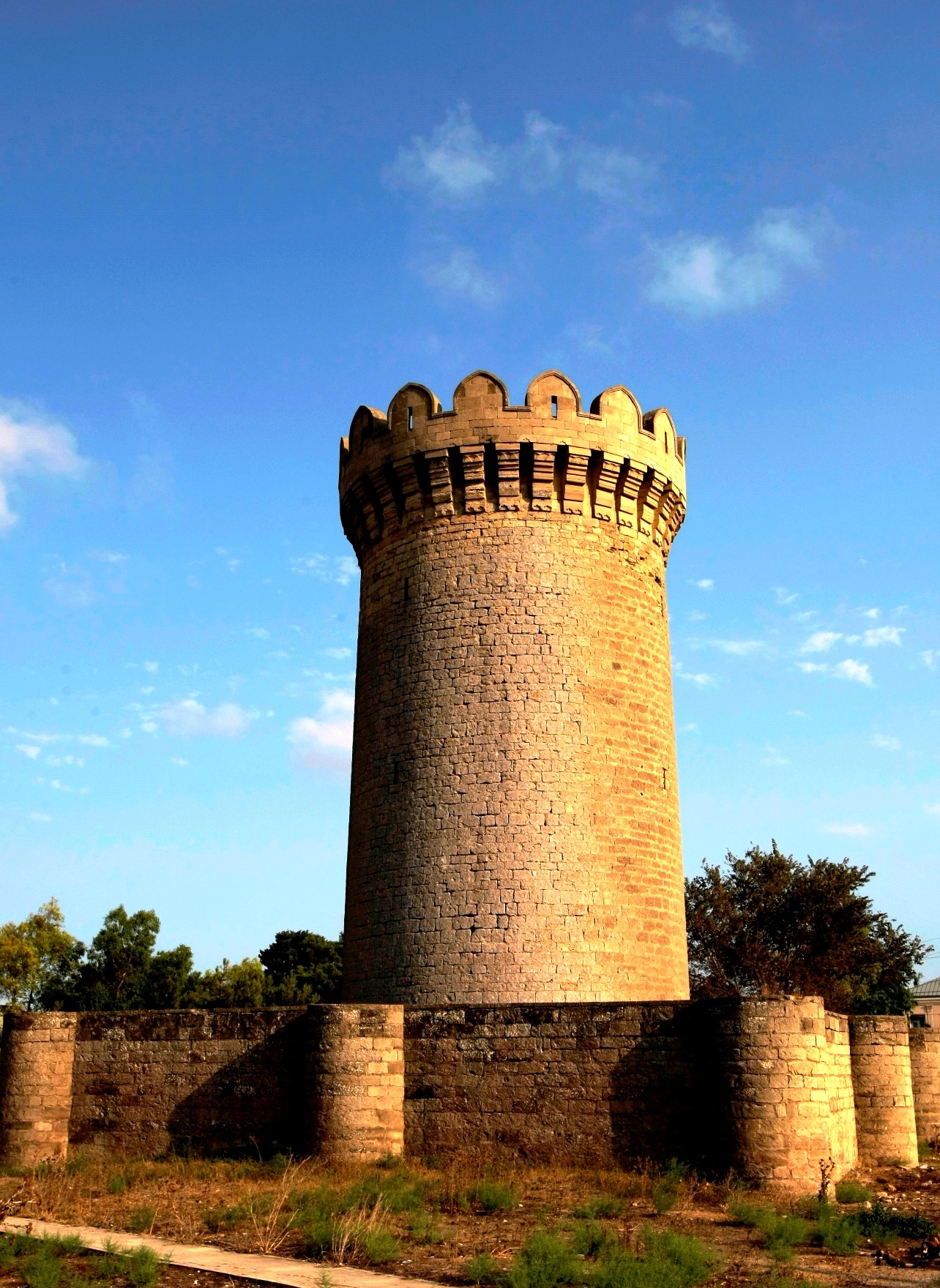
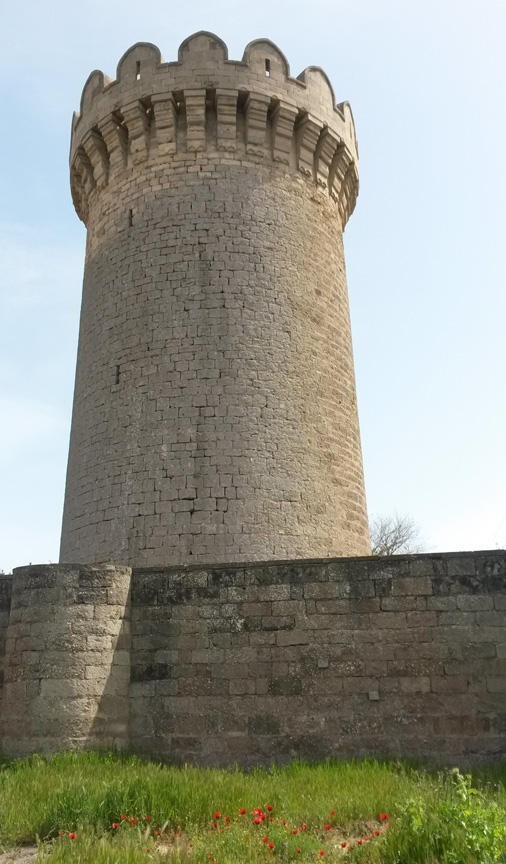
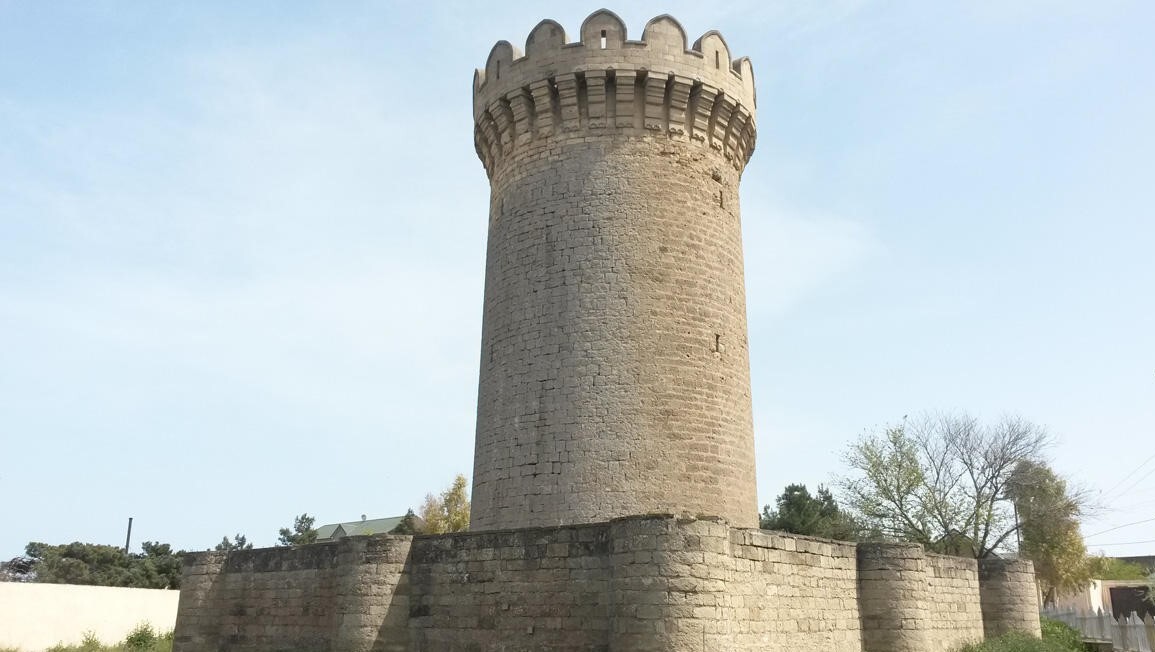
Name of the monument: | “Kichik Mardakan” castle |
Address of the monument: | AZ1076, Baku city, Khazar district, Mardakan settlement, Sharg street |
Significance of the monument: | An architectural monument of world importance |
Inventory: | 4.2 (Decision of the Cabinet of Ministers of the Republic of Azerbaijan No. 132, dated 02.08.2001) |
Cartographic presentation: | X-coordinate: 40.495653 Y-coordinate: 50.147169 |
History of the monument: | Century: XIII century Year of construction: 1203-1204 |
Use of the monument: | Is used as tourism demonstration destination |
Historical information about the monument: A number of medieval written sources give information about the construction of luxurious castles in different parts of Azerbaijan during the Seljuk, Elkhanid and Safavid periods. From the inscriptions of some monuments it is clear that Absheron castles were built more intensively from the XII century to the XIV century. Apparently, the rise of Baku's political and administrative role in the Shirvanshah state in the XII century necessitated not only the strengthening of the defensive structures of this city-fortress, but also the creation of a strong defense system throughout Absheron.
One of the main reasons for the great attention paid to the defense of Absheron in the XII century was the raids of Russian pirates on the peninsula from the north. Coastal defensive towers along the coast are relatively rare in the interior villages of the peninsula. The towers also functioned as a signal.
According to researchers, there were more than thirty such defenses in Absheron as a whole. One of these monuments is “Kichik Mardakan” castle located in the Mardakan settlement of the Khazar district of Baku. The small circular fortress was built in 1203-1204 on a sandy area.
However, it is still questionable why the fortress was not built on a nearby rock, which is more strategically convenient. The system of towers erected in the most strategically convenient places was able to spread the question of enemy threat from any corner of the peninsula to the whole of Absheron in a short time.
At the top of the castle gate there are three epigraphic inscriptions written in Arabic on a large rectangular stone layer. As can be seen from the content of the first inscription, the fortress was built during the reign of Shirvanshah Hershasi bin Farrukhzad bin II Manichohr (1204-1225).
The second inscription shows that the owner of the fortress was the mighty Ishap bin Kakuli. This person was the supreme commander of the Shirvan army. In this inscription, the date of construction of the fortress is shown in the month of Mordad, 600 Hijri calendars, which corresponds to the years 1203-1204 in the Gregorian calendar. The third inscription on the western part of the wall was written it is built by the architect Abd-al-Majid, the son of Masud.
Archaeological excavations around the monument during the restoration work helped to determine whether it was surrounded by fortress walls, like other Absheron fortresses, or whether it belonged to a single tower type. All the stylistic features of the monument put it in line with a number of castle buildings typical of Absheron castle architecture.