Name of the monument: | “Pir Mardakan living quarters” |
Address of the monument: | AZ5615, Shamakhi region, Goylar village |
Significance of the monument: | An archeological monument of national importance |
Inventory: | 1705 (registered by the Decision of the Cabinet of Ministers of the Republic of Azerbaijan No. 132 dated 02.08.2001) |
Cartographic presentation: | X-coordinate: 40.490365 Y-coordinate: 48.683704 |
Date of construction of the monument: | Century: XII century Year of construction: unknown |
Use of the monument: | Used as a venue of demonstration |
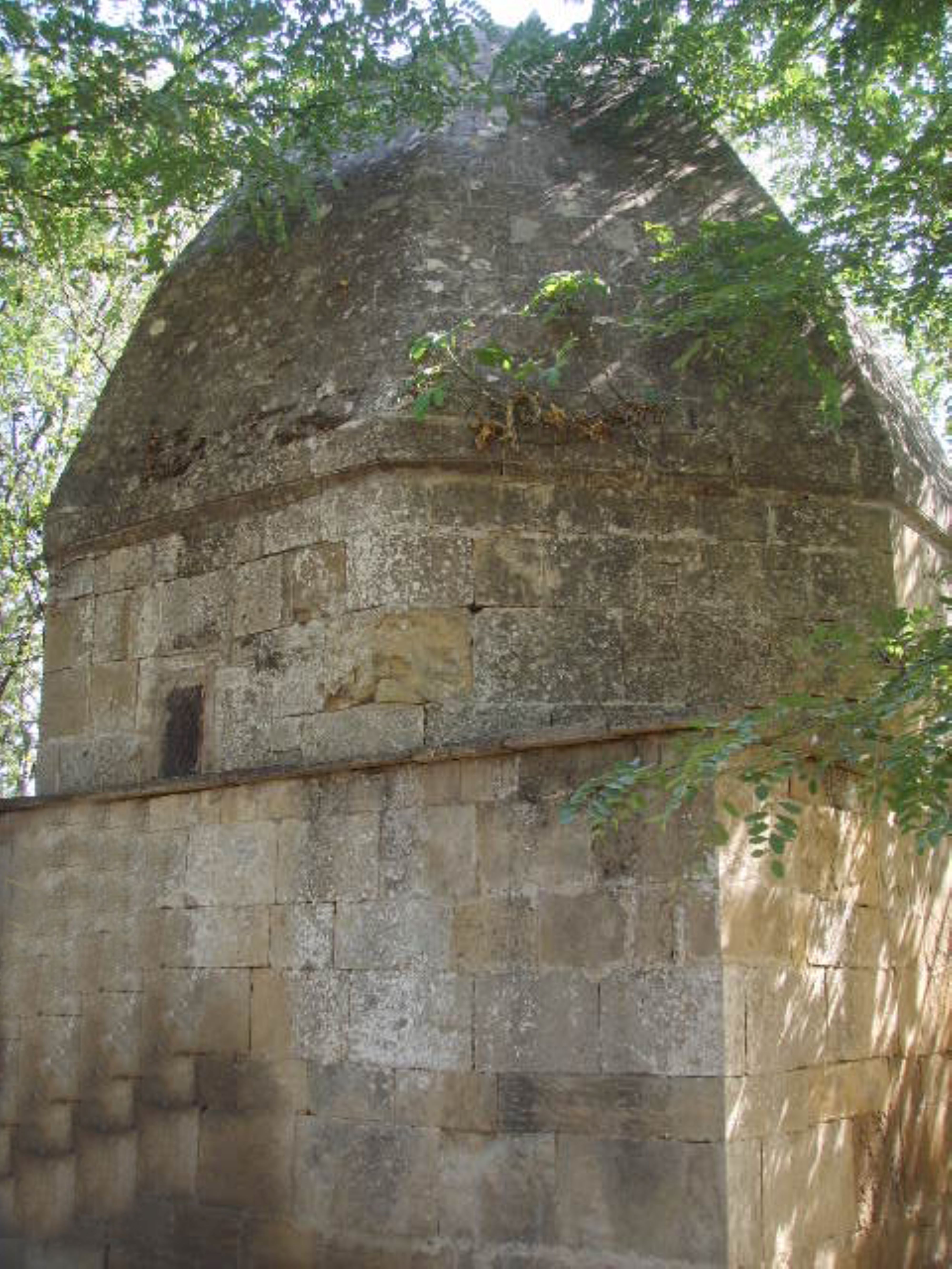
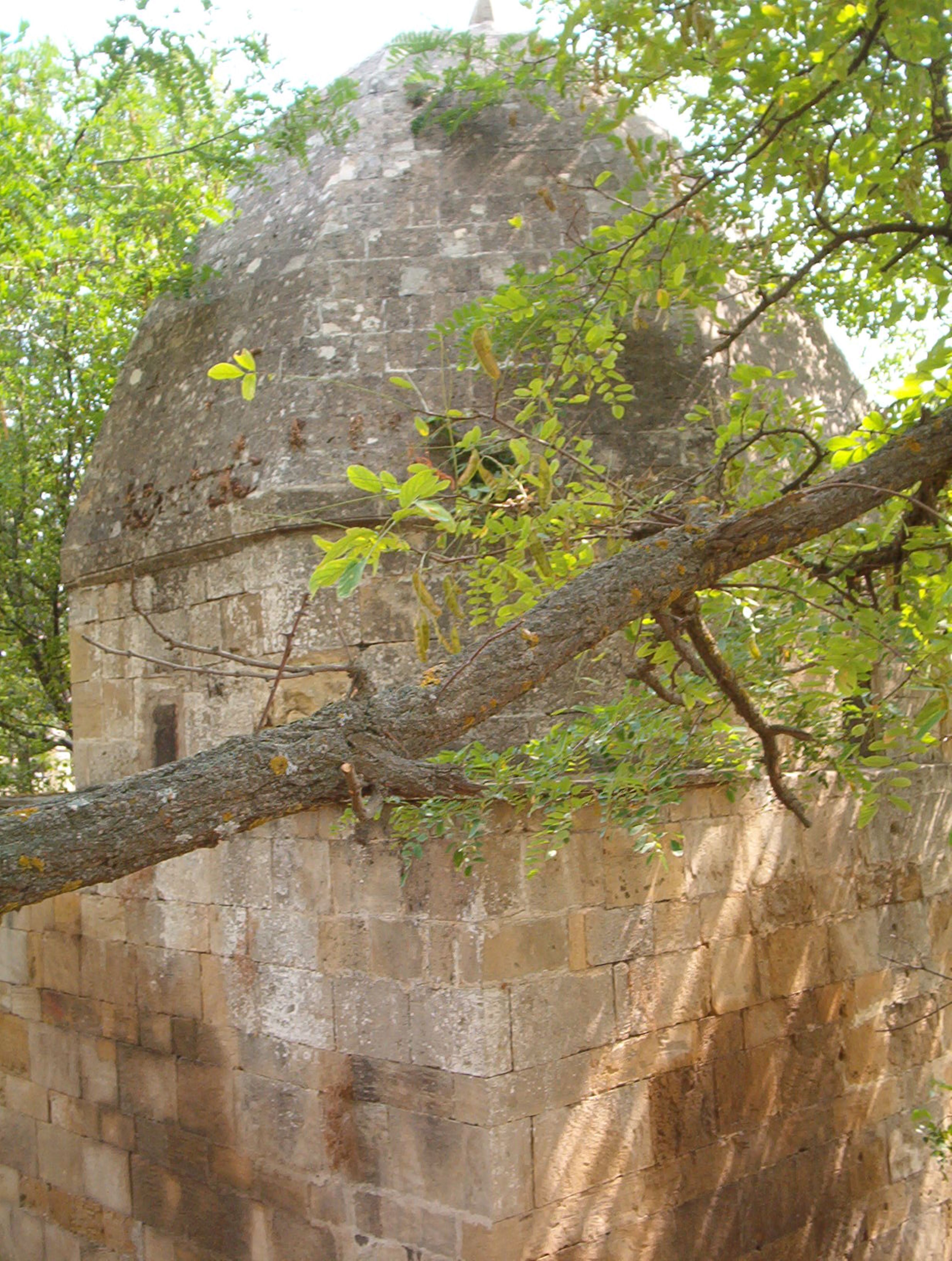
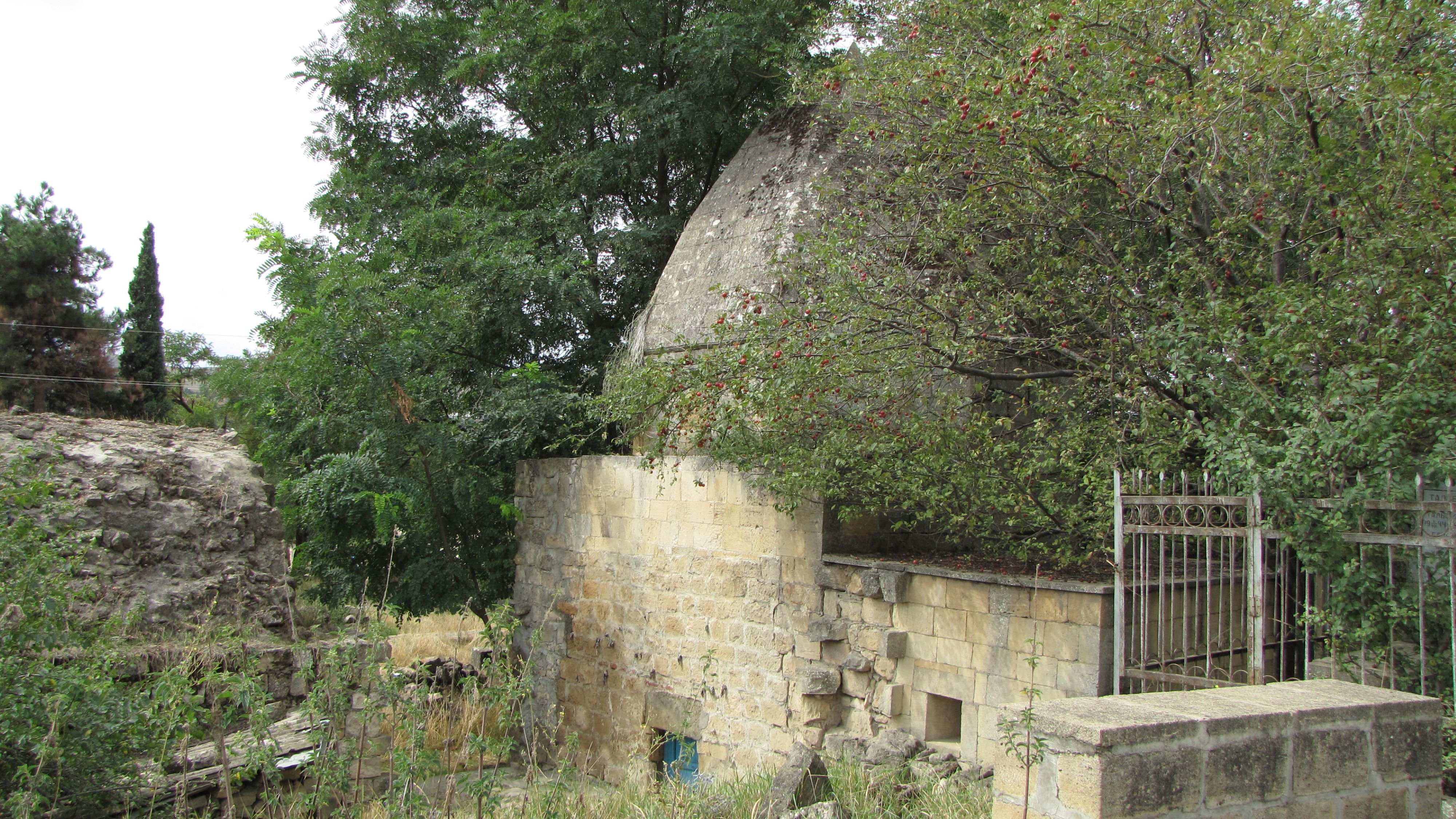
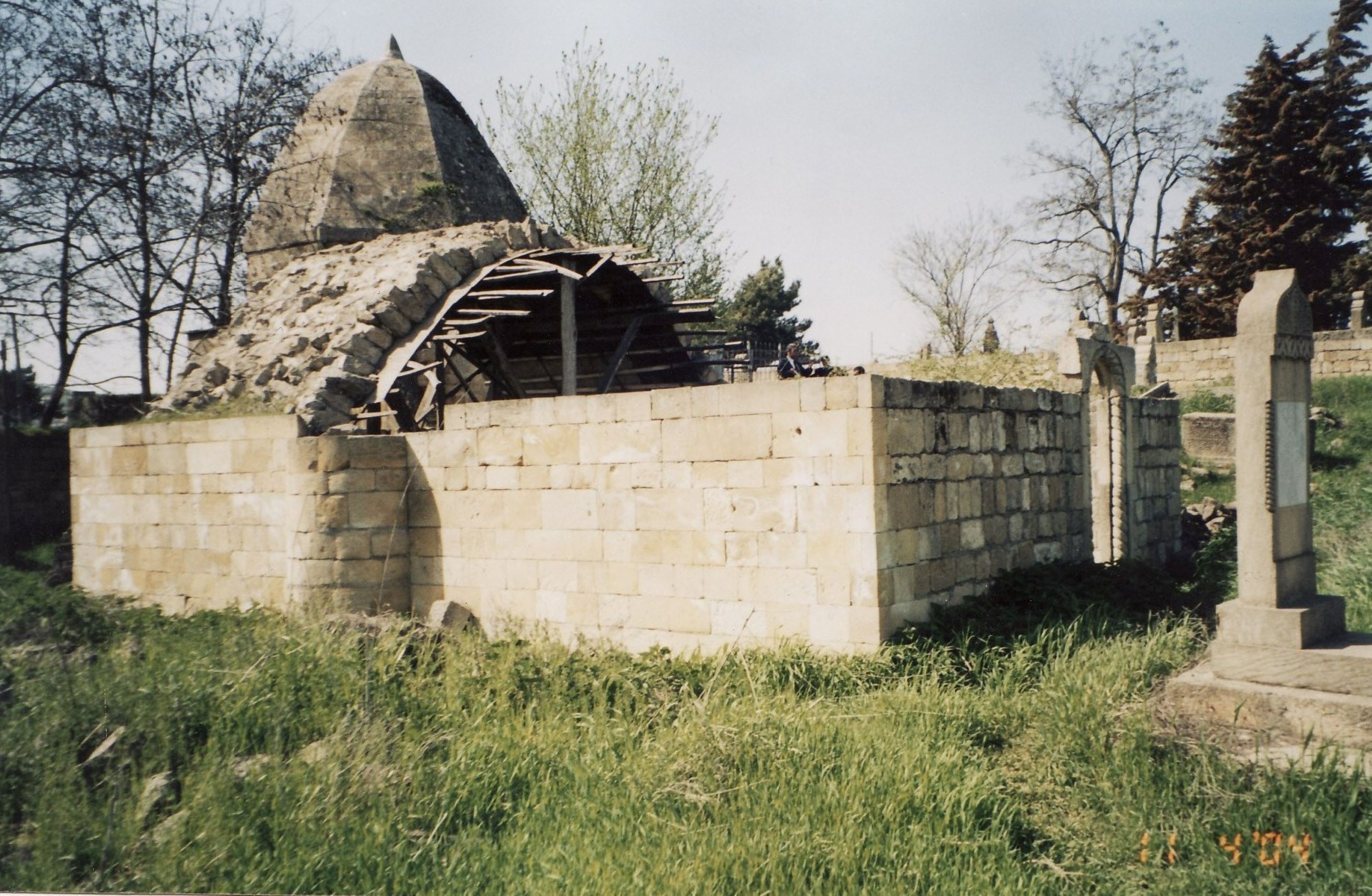
Historical information about the monument: The historical and cultural richness of Shamakhi, the land of monuments, is due to the fact that it has been at the center of Azerbaijani statehood and political processes since ancient times. One of the ancient monuments of this land is Pir Mardakan living quarters, located 16-17 km south-east of Shamakhi, in the territory of the present Goylar village. The monument complex is a relic of the XIII-XIV centuries. The archeological monument of national importance has attracted the attention of a number of scientists and travelers since the 17th century, including the German traveler A. Oleari. It is clear from the travelers' notes that the architectural complex once served as a camp on the trade route.
Only the tomb building among the buildings in the complex survived to present day. The foundations of cells, mosques, caravanserais and public buildings were discovered around it, and the building was included in the complex of khanagah-type monuments, taking into account the large cemetery in the vicinity.
The two inscriptions inside the tomb give information about the monument. The tombstone inside the tomb is made of limestone in the form of an arched roof. On the obverse of the monument there is an inscription in Arabic suls script with Kufi elements reads: “In the name of God, Most Gracious, and Most Merciful. This tomb belongs to Sheikh, Imam, the greatest scholar, believer Tair Taj al-Huda Mardakani ibn Ali. God bless him”. There is no date in the epitaph.
However, based on the second inscription on the tomb, it is possible to clarify its history. A small part of the book engraved on the left wall at the entrance to the door survived. It is written here: “The greatest king, khagan ... Farrukhzad ibn Fazil al-Muwahhid Manuchohr”. Experts claim that the person mentioned here is Farrukhzad I, the son of Shirvanshah III Manuchohr.
Over time, the name of the sheikh and the tomb were distorted, the headstone was plastered with cement and clay mortar, and as a result, the unread word "Madakani" became "Mardakan". Madak is a place name in South Azerbaijan. The suffix "Ani" indicates that the scientist is from Madak.
Other scholars are also buried around the tomb: Sheikh Tahir ibn Muhammad, Tajaddin ibn Ruknaddin and others. Taj al-Huda's position as imam once again states that he is the sheikh of the khanagah. However, according to another source, the tomb of Shirvanshah Ibrahim is also believed to be here.