Name of the monument: | Sheikh Mansurs tomb |
Address of the monument: | AZ3612, Gabala region, Hazra village, 16 km from Garamaryam-Sheki road |
Significance of the monument: | An architectural monument of national importance |
Inventory: | 292 (registered by the Decision of the Cabinet of Ministers of the Republic of Azerbaijan No. 132 dated 02.08.2001) |
Cartographic presentation: | X-coordinate: 40.544315 Y-coordinate: 47.574019 |
Date of construction of the monument: | Century: XVI century Year of construction: Unknown |
Use of the monument: | Used as a venue of demonstration |
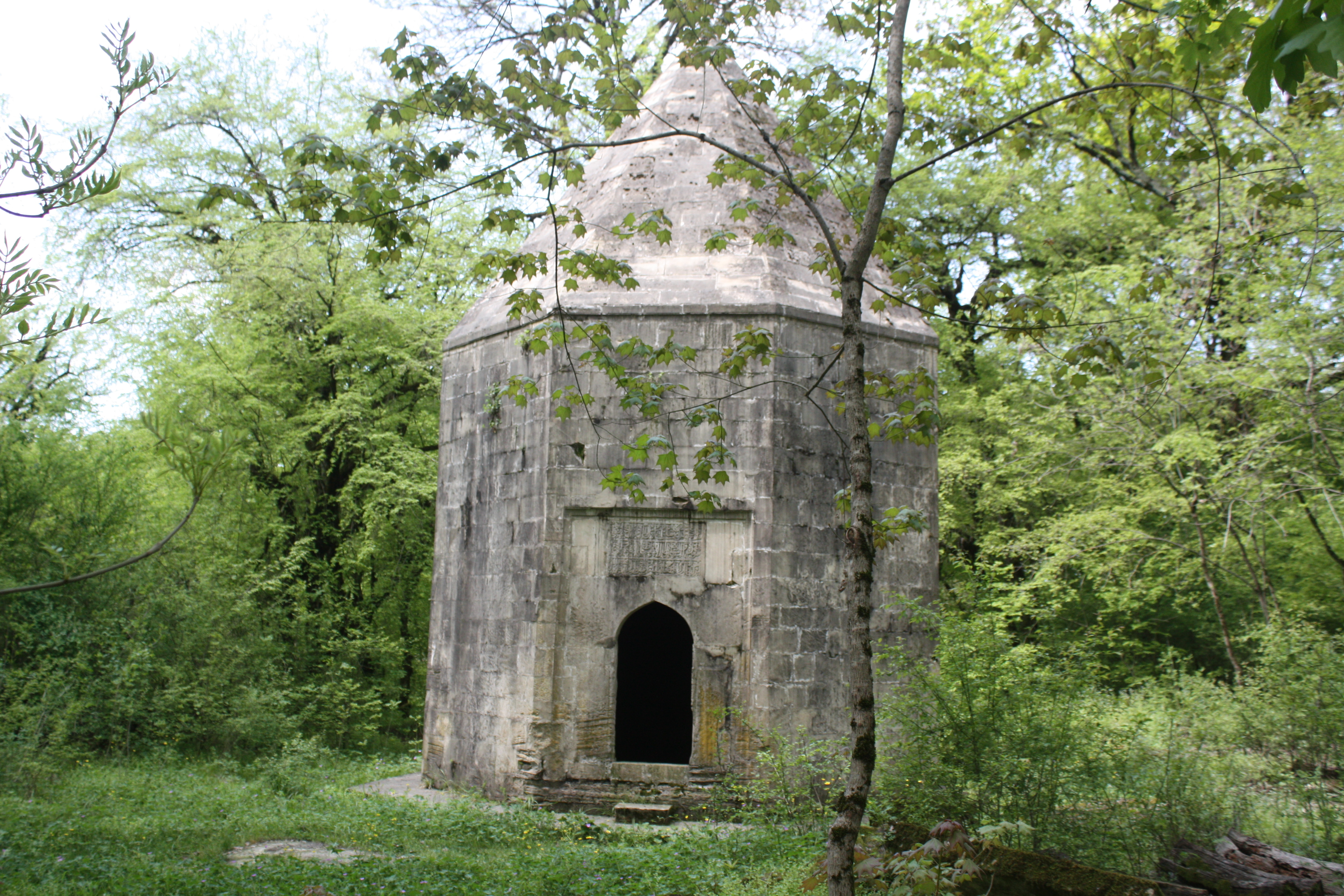
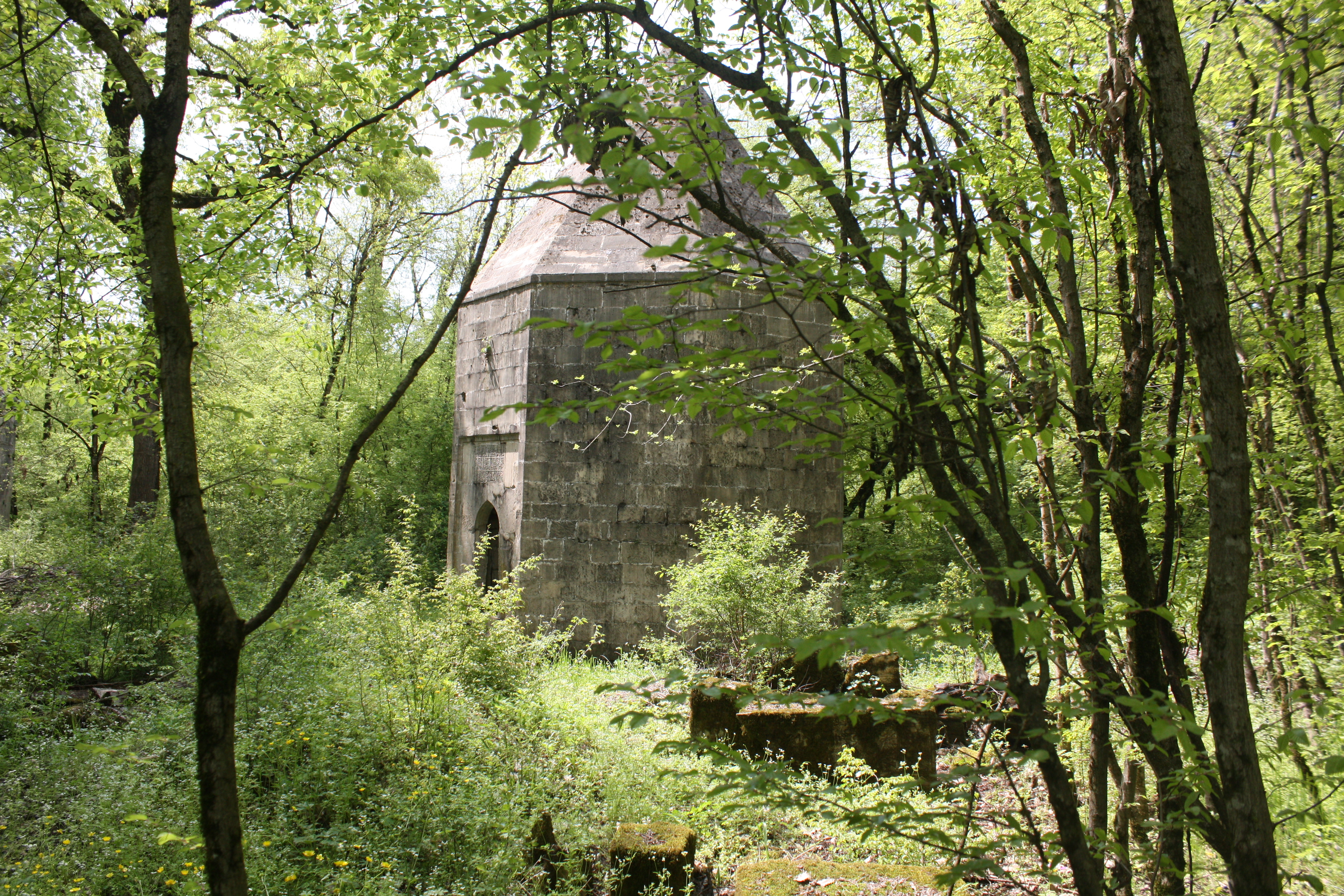
Historical information about the monument: The tomb of Sheikh Mansur is one of the historical monuments included in the complex of monuments in Hazra village of Gabala region. The monument was built in Shirvan-Absheron architectural style.
The history of the tomb dates back to the 16th century. There are several tombs of saints in the ancient cemetery located in the forest in the village of Hazra, two of which are visited by locals as a shrine. The box on the first tomb has the following inscription in Arabic: “During the reign of the greatest khagan, the great Sultan Sheikh Ibrahim - may God Almighty perpetuate his rule - the mausoleum of the merciful Sheikh, Sheikh Mansur was built. May God illuminate his grave". His son Mevlana Bakir was also buried in the back of Sheikh Mansur's tomb.
This monument was identified by prominent historian Mashadikhanim Nemat. The box-shaped tombstone on his tomb is decorated with delicate floral and geometric patterns, as well as inscriptions.
Since the reign of Sheikh Ibrahim covers the years 1382-1417, we can confidently say that Sheikh Mansur's son Mevlana Bakir, Sheikh Badraddin, Sheikh Muhammad and others spread his Sufi ideas in the Caucasus.
Sheikh Mansur is inscribed on one of the monuments and Sheikh Badraddin on the other. Although it is known that it belongs to the XIV-XV centuries, the exact date is not given. However, the mention of Shirvanshah Ibrahim shows that it was built in his time.
Formerly located on the caravan route, the settlements here had strong economic ties. At the same time, these sheikhs have gained great authority and trust in the area. It is said that even Sheikh Ibrahim did not issue any orders without consulting them.
The tomb of Sheikh Mansur, which is an architectural monument of national importance, has octagonal shape inside and outside. It has an octagonal-conical cover. The inscription, written in three lines in Arabic syllables, is placed on the arched door.