Name of the monument: | Tomb |
Address of the monument: | AZ3612, Gabala district, Hazra village, 16 km from Gabala city center |
Significance of the monument: | An architectural monument of national importance |
Inventory: | 294 (registered by the Decision of the Cabinet of Ministers of the Republic of Azerbaijan No. 132 dated 02.08.2001) |
Cartographic presentation: | X-coordinate: 40.544334 Y-coordinate: 47.574193 |
Date of construction of the monument: | Century: XVI century Year of construction: Unknown |
Use of the monument: | Used as a venue of demonstration |
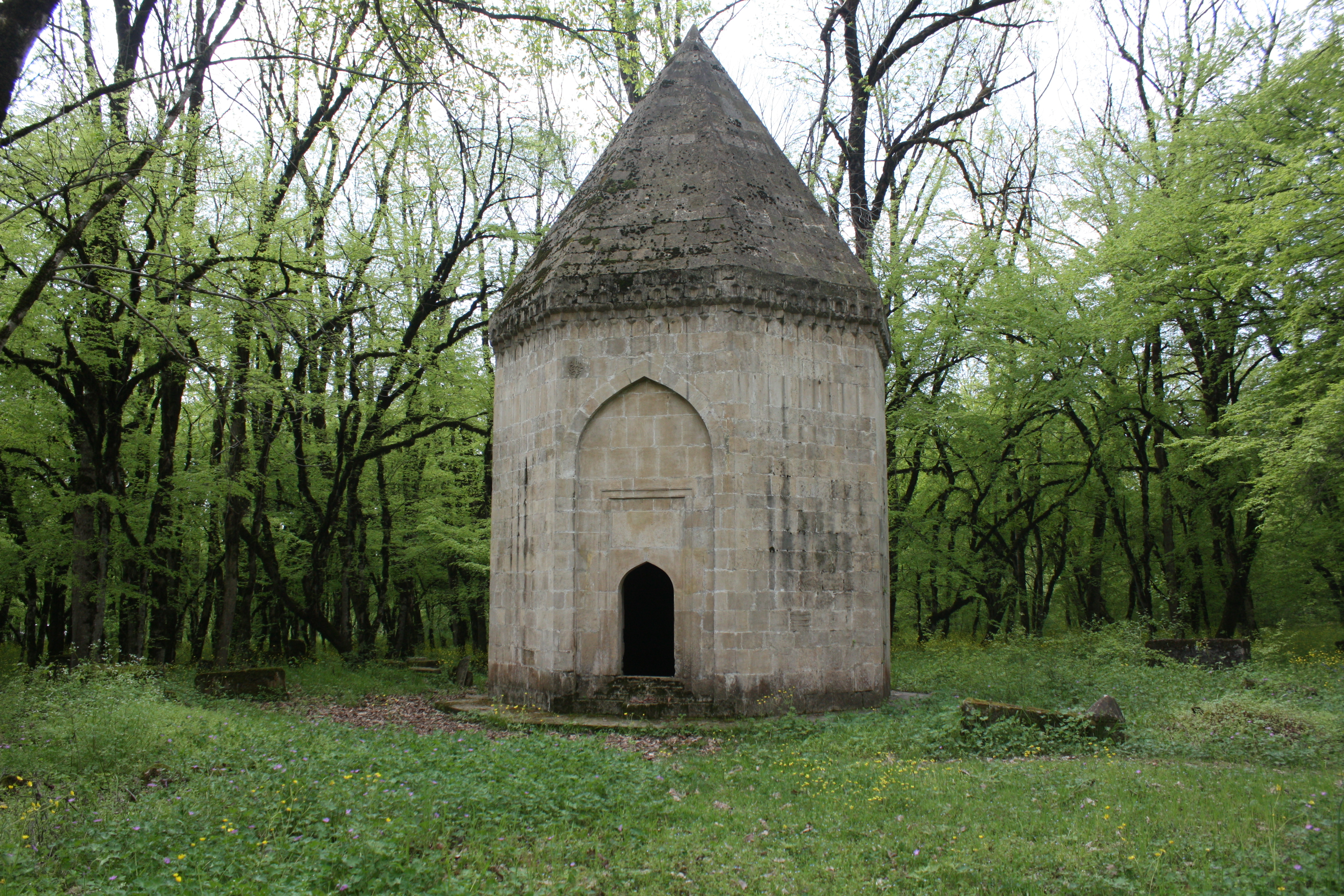
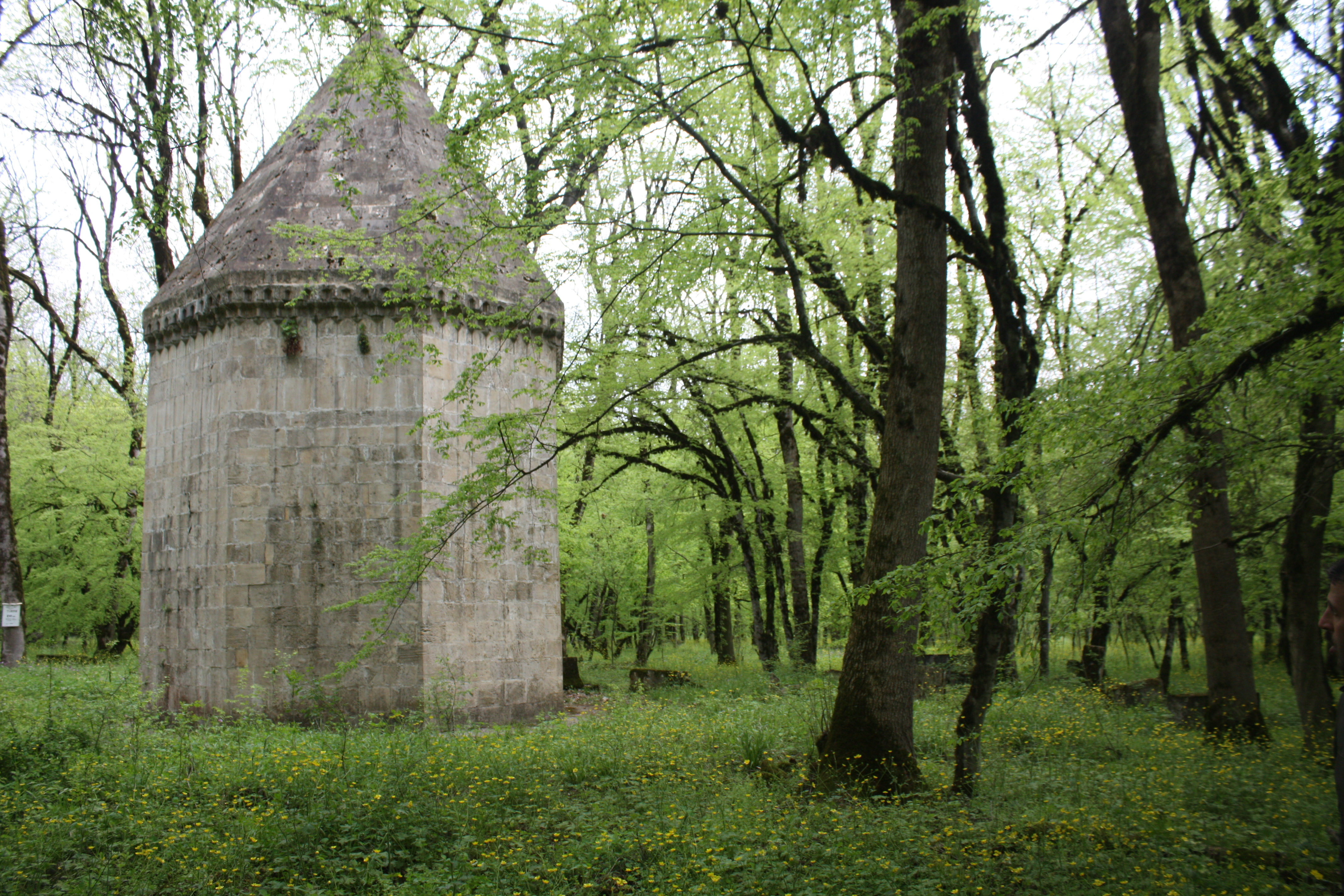
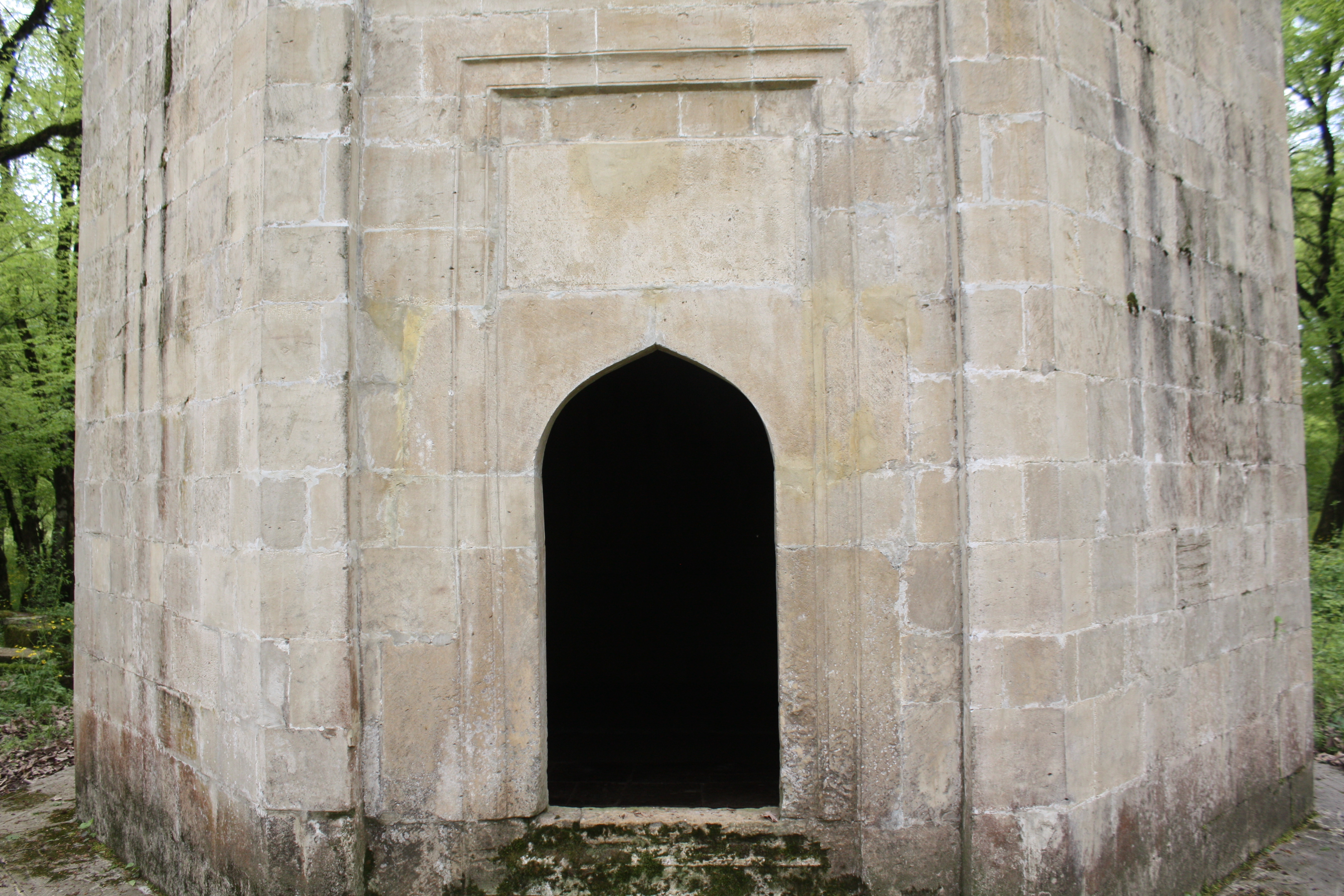
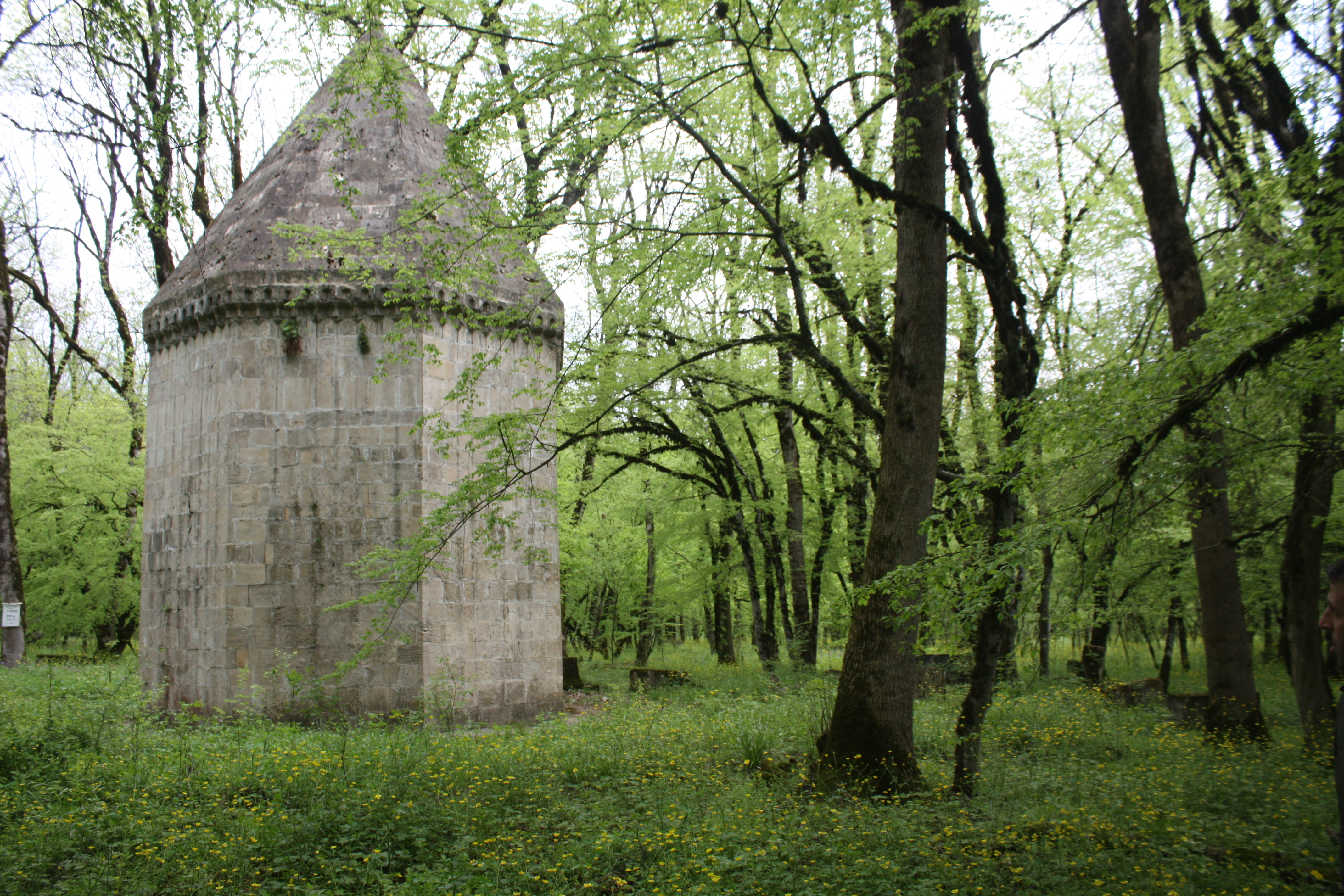
Historical information about the monument: Gabala region is also known for its ancient tombs. Like the tomb of Sheikh Mohammad, which is included in the complex of tombs in Hazra village of the region, this tomb belongs to the example of Shirvan-Absheron architectural school. It is not clear who built the tomb, which dates back to the 16th century.
The area of the cemetery of the XIV-XVI centuries around the domes is about 3.5 hectares. There are about 40 boxes here. Just as their sizes are different, so are their periods. The stone monuments are reminiscent of a legendary museum in a thick forest. The surface of the stones consists entirely of patterns and inscriptions. Box-shaped tombstones are elegantly decorated with floral geometry patterns, inscriptions, columns, crowns, prismatic stalactites, ornaments, and with other architectural elements.
Research shows that these monuments are the work of Shamakhi masters typical of the Shirvan-Absheron school of architecture. The name of the Shamakhi architect is engraved on one of the tombs. The style of the boxes, the text of the inscriptions, etc, is reminiscent of the monuments that once existed in Shamakhi, especially in the village of Kalakhana.
The presence of a large cemetery belonging to such rich monuments in the village of Hazra proves that in the XIV-XVI centuries it was a settlement or city of great economic, political and social significance. The fact that a group of scholars lived and worked in Hazra for a long time, and that their monuments lived in the memory of the people as a shrine after them, also speaks of the important socio-cultural significance of the center.
Hazra tombs complex, a monument of national importance was restored in 2005. During the restoration work, the debris and rubble that appeared inside and outside the monument for many years were investigated and eliminated